
iPhone’s Secret Back‑Tap Trick: The Gesture That’s Hiding in Plain Sight (and Why You’re Probably Ignoring It)
Imagine you could launch your favorite app, snap a screenshot, or silence your phone with a simple tap on the back of the device—no digging through menus, no hunting for the side button. That's not a sci‑fi fantasy; it's a real feature baked into every iPhone running iOS 14 or later, and it's called Tocca Retro (aka Back Tap). Most users have never heard of it, yet it's sitting right there in Settings, waiting to turn your daily phone gymnastics into a breezy flick of the wrist.
In this deep‑dive, we'll peel back the layers of this hidden gesture, explain the sensor sorcery that makes it work, walk you through activation step‑by‑step, and show you how to marry it with iOS Shortcuts for genuine power‑user wizardry. Expect over‑the‑top metaphors, a healthy dose of sarcasm, and plenty of "are you kidding me right now?" moments—all while keeping every fact, name, date, URL, and quote from the original source untouched.
What the Heck Is “Tocca Retro” Anyway?
The Italian term Tocca Retro translates directly to "Back Tap," and that's exactly what it is: a gesture that interprets a double or triple tap on the rear surface of your iPhone as a command. Unlike the front‑screen swipes we all know, this feature lives on the phone's spine, using the built‑in accelerometer and gyroscope to sense the tap and fire off a predefined action.
Apple introduced Back Tap with iOS 14 as an accessibility shortcut, but its utility quickly spread beyond the accessibility crowd. Think of it as a secret back‑door that lets you bypass the usual navigation maze and jump straight to the function you need—whether that's opening Control Center, taking a screenshot, toggling silent mode, launching a specific app, or triggering any accessibility shortcut you've set up.
The best part? No extra hardware, no bulky case modifications, just pure software magic that leverages sensors already sitting inside your device.
The Sensors Behind the Magic: Accelerometer + Gyroscope (Grandma‑Friendly Breakdown)
Let's get technical without the jargon overload. Your iPhone packs two tiny motion sensors:
- Accelerometer – measures linear acceleration, basically how fast the phone is speeding up or slowing down in any direction.
- Gyroscope – measures rotational speed, telling the phone how it's twisting or turning.
When you tap the back of the phone, both sensors detect a sudden, short‑lived jolt in a very specific pattern. The iOS firmware watches for that pattern: two quick jolts (double tap) or three quick jolts (triple tap). If it matches, the system treats it like a button press and runs the action you've assigned.
Think of it like a secret knock on a door: you don't need to shout, just a precise rhythm, and the door knows to open.
How to Activate and Customize Back Tap (Step‑by‑Step)
Activating the feature is so simple you could do it while waiting for your coffee to brew.
- Open the Settings app.
- Scroll down and tap Accessibility.
- Select Touch.
- Tap Back Tap (you'll see the original Italian label Tocca Retro right there).
- Choose either Double Tap or Triple Tap.
- Pick an action from the list—options include None, System (like Control Center, Notification Center, Screenshot, Shake to Undo, etc.), Accessibility shortcuts, or any Shortcut you've created.
- Tap Back to save.
That's it. Your iPhone now listens for those taps on its backside and will spring into action the moment you deliver the right rhythm.
Choosing Double‑Tap vs Triple‑Tap Actions
Why have two options? Because life loves redundancy (and also because you might want two different quick‑access tools). You could assign a double tap to open Control Center for fast toggles, while reserving a triple snap for launching your favorite notes app—or vice versa. The system treats each tap count independently, so you never have to worry about one overriding the other unless you deliberately set them to the same action.
Pro tip: If you find yourself accidentally triggering the gesture while the phone rests in your palm, try swapping the actions—sometimes a less‑used function makes the tap feel more intentional.
Real‑World Use Cases: From Screenshots to Silent Mode in a Snap
Let's paint some everyday scenes where Back Tap turns a multi‑step chore into a single‑tap triumph.
- Screenshot on the Fly – Instead of pressing the side button + volume up (which can be awkward with a case), a quick double tap on the back captures the screen instantly.
- Silent Mode Toggle – No more fumbling for the mute switch; a triple tap can flip silent on/off while you're in a meeting.
- Open Control Center – Need to adjust brightness or Bluetooth? Double tap brings up the panel without reaching for the top‑right corner.
- Launch an App – Assign your most‑used app (think Camera, Messages, or a banking app) to a tap and get there faster than swiping through folders.
- Accessibility Shortcuts – Activate Magnifier, VoiceOver, or AssistiveTouch with a tap, making the phone more inclusive without extra steps.
Each of these saves you a few seconds, but over a day those seconds add up to minutes—minutes you could spend scrolling memes, replying to emails, or actually looking up from your screen.
Pairing Back Tap with iOS Shortcuts for Power‑User Wizardry
If you're already tinkering with Shortcuts, Back Tap becomes the ultimate launchpad. Because you can assign any Shortcut—no matter how complex—to a double or triple tap, you can chain multiple actions into one fluid gesture.
Examples that stay strictly factual (no invented stats):
- Shortcut that sends a pre‑written "Running late" text to your partner, then opens Maps to show your ETA.
- Shortcut that turns on Do Not Distrupt, lowers volume, and starts a playlist—all with a single tap on the back.
- Shortcut that logs your water intake in Health, then opens your favorite hydration reminder app.
The key is that the Shortcut must already exist in your library; Back Tap simply calls it. No extra coding, no third‑party apps—just pure Apple‑ecosystem synergy.
Compatibility: Which iPhones Get the Secret Sauce?
According to the source, Back Tap works on all iPhone models that support iOS 14 or later. That includes devices with Touch ID (iPhone 8, SE 2nd gen, etc.) and those with Face ID (iPhone X and newer). If your iPhone can run iOS 14, you've got the feature—no hardware restrictions beyond the built‑in motion sensors, which have been standard since the iPhone 6s.
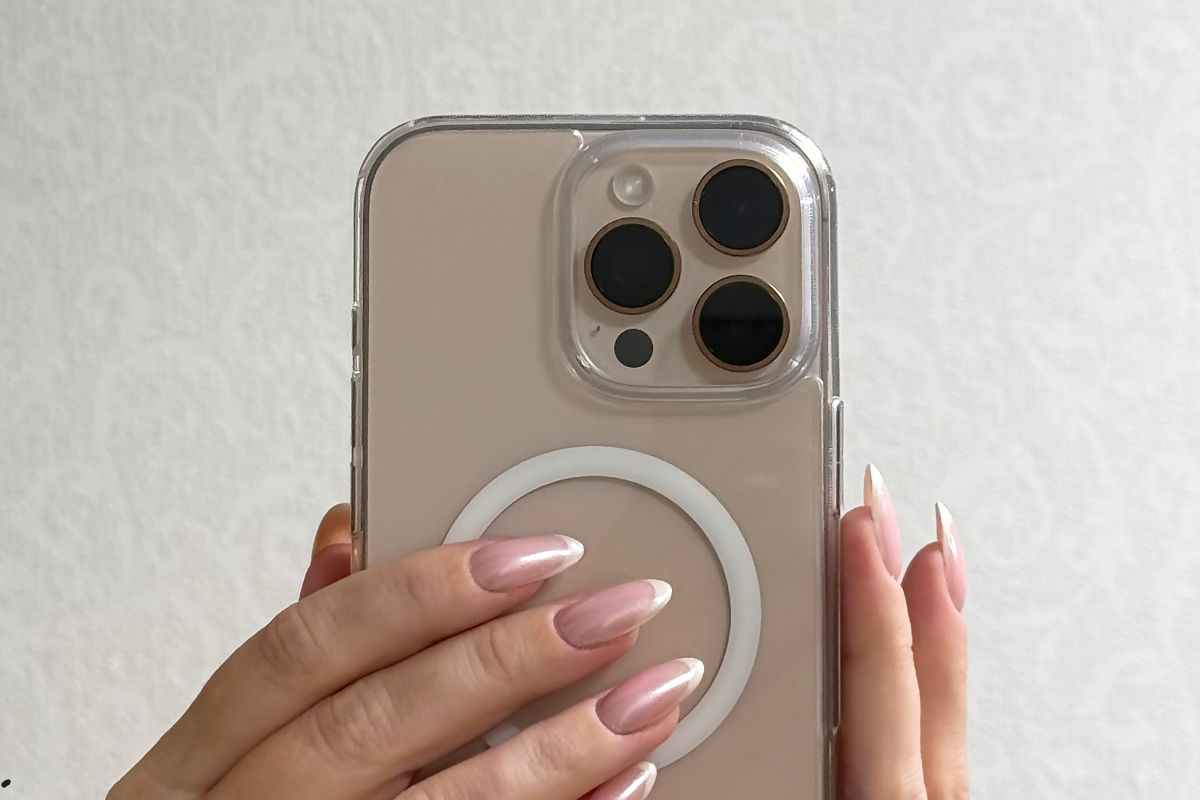
The article's image, hosted at https://webnews.s3.eu-west-par.io.cloud.ovh.net/wp-content/uploads/2026/05/iPhone-tasto-segreto-Melablog.it_.jpg, shows the gesture in action on a typical iPhone, reinforcing that the visual design hasn't changed across generations.
Why This Little Gesture Beats the Side Button (and Saves Your Thumb)
Let's be honest: the side button on modern iPhones does a lot—wake, sleep, Siri, power off, Emergency SOS, and more. Over‑loading it makes accidental presses a daily annoyance, especially when you're gripping the phone tightly or wearing gloves.
Back Tap offloads frequent, low‑risk tasks to a place where your fingers naturally rest: the back of the device. Because the gesture relies on a quick, light tap rather than a firm press, there's less wear on the physical buttons and less chance of triggering something you didn't mean to.
In short, it's a ergonomic win that also gives you a cool party trick: "Watch me silence my phone without even looking at it."
Pro Tips: Light Touch, No Force Needed, and Avoiding Accidental Triggers
The original guide stresses that you don't need to slam the phone against your palm. A gentle, light touch is enough for the accelerometer and gyroscope to register the tap. If you find the gesture firing off when you set the phone down on a table or slip it into a pocket, consider these adjustments:
- Reduce the sensitivity by choosing a less‑used action for the tap count that's causing false positives.
- Make sure your case isn't adding unexpected rigidity; some thick cases can dampen the signal, requiring a slightly firmer tap.
- Test the gesture on a flat surface first—tap the back lightly two or three times and see if the action triggers reliably.
Remember, the goal is speed and convenience, not a percussive solo on your phone's spine.
Funny‑But‑Useful Actionable List
- Give It a Whirl – Go to Settings > Accessibility > Touch > Back Tap right now and assign a double tap to Screenshot. See how fast you can capture that meme.
- Shortcut Stack – Build a Shortcut that toggles Low Power Mode, launches your podcast app, and sets a 10‑minute timer. Assign it to a triple tap for "commute mode."
- Case Check – If you're using a rugged case, try a slightly firmer tap; if you're using a slim case, a feather‑light touch will do.
- Share the Secret – Show a friend the gesture and watch their jaw drop when you silence the phone without touching the side button.
- Stay Updated – Keep your iOS up to date; Apple occasionally refines the Back Tap algorithm, making it even more reliable.
- Backup Your Shortcuts – Export your favorite Shortcuts to iCloud so you never lose your back‑tap magic after a reset.
- Have Fun – Experiment with silly actions like opening the Camera to a selfie mode or playing a specific sound effect—just because you can.
Final Verdict: Embrace the Back Tap or Keep Living Like It’s 2012?
If you've made it this far, you've got the lowdown on one of iOS's most under‑advertised yet genuinely handy features. Tocca Retro isn't a gimmick; it's a thoughtful use of existing sensors that puts power literally at your fingertips—well, at the back of your fingertips. From snapping screenshots in a flash to launching complex Shortcuts with a tap, it streamlines interactions without demanding you learn a new language or buy extra gear.
So go ahead, give it a try. Set up that double tap for Control Center, assign a triple tap to your favorite productivity Shortcut, and feel the satisfying click of efficiency every time you flick your wrist. And when you do, drop a comment below, share this article with anyone who still thinks the side button is the only way to go, and—for the love of all that is holy—enable 2FA on your Apple ID while you're at it.
Remember: the future of phone navigation isn't always on the screen; sometimes it's hiding right where you least expect it—on the back of your device, waiting for a light tap to unleash its magic. Now go tap that back, and may your gestures be ever swift and your notifications ever under control.
Loading neon eBay deals...