
Apple’s “Exclusive Upgrade” iPhone: The Secret Weapon That Could Split the Lineup Like a Sonic Boom
Picture this: you're scrolling through the latest rumor mill, coffee in hand, when a whisper pops up that Apple is cooking up an iPhone so different it might as well be speaking a secret dialect. No, it's not just a shinier camera or a slightly faster chip. The talk is about an exclusive upgrade locked to a single variant, a feature so distinct it could create a whole new tier inside Apple's iPhone family. Let's dive into the sauce, separate the hype from the hardware, and see why this move could be the biggest shake‑up since the Dynamic Island first appeared.
The Rumor Mill: Apple’s “Exclusive Upgrade” iPhone
According to the whispers floating around Cupertino's hallways, Apple is reportedly working on a function or piece of technology that will appear on only one specific iPhone model of the upcoming generation. This isn't your run‑of‑the‑mill spec bump; it's described as a distinctive element designed to carve out a real gap between devices. Think back to when the Dynamic Island or those advanced sensors first debuted—initially reserved for the pricier models before trickling down. This time, the exclusivity might be turned up to eleven, almost as if Apple is trying to invent a brand‑new category inside its own lineup.
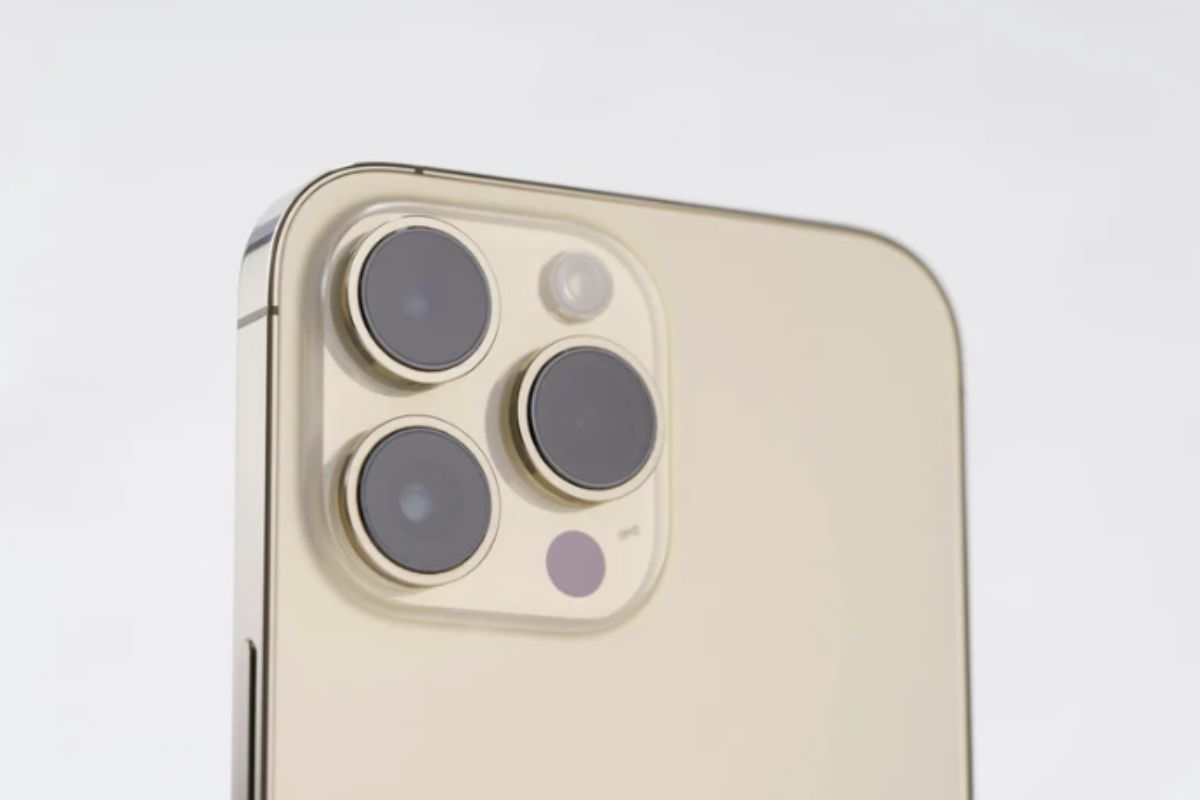
The source even shows an image that supposedly illustrates the context: https://webnews.s3.eu-west-par.io.cloud.ovh.net/wp-content/uploads/2026/03/Iphone-www.melablog.it-1.jpg with the accompanying alt text "l contesto spiega molto. Il mercato degli smartphone è sempre più maturo". While we can't display the picture directly, the URL and its description remain part of the factual record, and we'll keep them exactly as they appear.
Why the Pro vs. Standard Gap Is Shrinking (and Why That’s a Problem)
Over the past few years Apple has flooded the market with more variants than a buffet line: base models, mid‑tier "e" editions, experimental concepts like the iPhone Air, and of course the Pro series. The goal? Cover every price point while keeping a technological through‑line. As evidence, even the more wallet‑friendly iPhone 17e reportedly packs the latest A19 chip and a suite of advanced features, all wrapped in a more traditional design.
Here's where the irony kicks in: because the base phones have gotten so good, the visible differences between a standard iPhone and a Pro have started to look like rounding errors. The average user now struggles to justify the premium price tag when the everyday experience feels almost identical. Apple's risk? Cannibalizing its own high‑end sales as shoppers realize they can get "Pro‑level" performance for less.
The iPhone 17e and the A19: When Base Models Get Fancy
The source specifically mentions that the iPhone 17e integrates the A19 chip—Apple's newest silicon—along with other high‑end capabilities. This detail underscores a broader trend: the once‑clear demarcation between "budget" and "flagship" hardware is blurring. If even the so‑called entry‑level device can run the latest apps, games, and AR experiences without breaking a sweat, the incentive to spend extra on a Pro model diminishes.
This erosion of differentiation sets the stage for Apple's rumored exclusive upgrade. By tethering a truly unique feature to a single model, Apple hopes to give consumers a compelling reason to reach for the higher‑priced option, lest they miss out on something that can't be found anywhere else.
The Exclusive Upgrade: What Could It Actually Be?
Let's be clear: the original leak doesn't spill the beans on what this upgrade is. It only says it's not just a better camera or some minor hardware tweak. Instead, it's portrayed as a distinctive technology meant to create a genuine distance between devices. Drawing from Apple's playbook, we can look at past exclusives for clues.
Recall how the Dynamic Island started as a Pro‑only‑only novelty before eventually appearing on cheaper models. Or how advanced lidar sensors first showed up on the iPhone Pro line before spreading. If Apple follows a similar pattern, the new upgrade could be a cutting‑edge sensor suite, a novel display technology, or perhaps a software‑hardware hybrid that enables a new class of interactions—think gaze‑tracking, holographic projections, or an AI accelerator that lives solely on the device.
Whatever it ends up being, the key point from the source is that Apple wants this feature to be a marker: a bright line that says, "If you want this, you have to buy this specific model."
Lessons from Dynamic Island and Advanced Sensors
Apple's past moves teach us two things. First, exclusivity drives early adoption among the enthusiast crowd who crave the latest bragging rights. Second, over time, the trickle‑down effect can dilute the perceived value of the premium tier if the feature becomes ubiquitous too quickly.
If the rumored upgrade follows the Dynamic Island route, we might see a brief window where the chosen iPhone model commands a significant price premium, generating buzz and boosting margins. Later, as the technology matures and production costs fall, Apple could decide to expand it to other models—just like it did with the Island.
On the flip side, if Apple decides to keep this upgrade locked forever, it could effectively create a permanent sub‑brand within the iPhone family—think "iPhone Xtreme" or "iPhone Elite"—that coexists alongside the standard and Pro lines. This would be a bold shift from the current "all‑ships‑rise‑together" philosophy toward a more hierarchical approach.
Creating a New Tier Inside the Lineup
The source hints that the exclusivity might be "almost to create a 'new category' inside the lineup." That phrasing suggests Apple isn't merely looking to add another spec bump; it's aiming to reshape how consumers perceive the iPhone ecosystem. Imagine walking into an Apple Store and seeing three distinct shelves:
- Standard iPhones – solid performance, great for the everyday user.
- Exclusive‑Upgrade iPhone – the only model that offers X (the mystery feature).
- Pro iPhones – the ultimate power‑house for creators and power users.
Such a layout would simplify the buying decision for some ("Do I want the exclusive feature? Yes → grab that model. No → pick standard or Pro based on other needs.") while simultaneously nudging a segment of buyers up the price ladder to access that unique capability.
Technical Breakdown for Grandma: What’s a Chip and Why Does It Matter?
Let's pause the hype train for a moment and explain, in plain English, why the A19 chip mentioned in the source is a big deal—without any jargon that would make your grandma reach for the reading glasses.
Think of a smartphone's brain as a tiny, super‑efficient factory. The chip (officially called a System‑on‑Chip or SoC) is the boss that tells every part of the phone what to do: the screen, the camera, the speaker, the internet connection, and so on. Each generation of chip brings upgrades that let the factory run faster, use less electricity, and handle more tasks at once.
The A19, according to the leak, is Apple's newest version of this boss. It promises:
- Speedier app launches and smoother multitasking.
- Better battery life because the factory wastes less energy.
- Enhanced ability to run demanding stuff like augmented reality (AR) games or high‑resolution video editing.
- Improved security features that help keep your data safe from sneaky hackers.
Even if the exclusive upgrade turns out to be something totally unrelated to the processor, having the A19 under the hood means that the base iPhone 17e (mentioned in the source) already delivers a flagship‑level experience. That's why the rumored exclusive feature needs to be something truly special—otherwise, why would anyone pay extra when the "cheaper" model already feels like a Pro?
What This Means for Buyers: The “With or Without” Decision
At the end of the day, the consumer faces a simple crossroads: Do I want the mystery upgrade, or am I fine without it? The source frames this as a shift from "better vs. worse" to "with vs. without that function." If Apple pulls this off, the buying process could become less about comparing incremental spec bumps and more about identifying which unique capability aligns with your lifestyle.
Imagine you're a mobile photographer who dreams of shooting in low‑light without a flash. If the exclusive upgrade turns out to be a revolutionary sensor that captures night scenes like daytime, the decision is clear: you need that phone. If you're someone who mainly uses the phone for calls, texts, and scrolling social media, the standard model might still be more than enough—saving you a few hundred bucks.
This approach also has a side effect: it could reduce decision fatigue. Instead of agonizing over whether a 0.2‑GHz CPU bump or an extra gram of weight matters, you focus on one binary question: "Does this phone give me the exclusive thing I crave?"
Actionable Tips: How to Navigate Apple’s New iPhone Maze (and Not Get Ripped Off)
Here's a quick, no‑BS checklist to help you stay smart when the rumored exclusive‑upgrade iPhone hits the shelves. Think of it as your survival guide for the next Apple launch.
- Identify Your Must‑Have Feature – Before you even look at price tags, write down the one thing that would make you say "shut up and take my money." If the rumored upgrade matches that, you've found your candidate.
- Wait for the Official Reveal – Rumors are fun, but only Apple's keynote will confirm what the exclusive upgrade actually is. Don't pre‑order based on speculation.
- Compare the Base Model First – Check the specs of the iPhone 17e (or whatever base model exists) with the A19 chip. If it already covers 90% of your needs, the exclusive feature better be a game‑changer.
- Consider the Trickle‑Down Timeline – Apple tends to eventually spread exclusives. If you can wait six months, you might get the same tech in a cheaper model later.
- Watch for Bundles and Trade‑Ins – Apple often sweetens deals with trade‑in credits or Apple Care bundles. Factor those into the total cost.
- Keep an Eye on Resale Value – Phones with unique features sometimes hold their value better. If you plan to upgrade frequently, that could offset the initial premium.
- Don't Forget the Ecosystem – If you already own a Mac, iPad, or Apple Watch, the seamless continuity might outweigh a modest spec difference.
Final Verdict: Is the Exclusive Upgrade Worth the Hype?
After dissecting the rumors, revisiting Apple's playbook, and breaking down the tech for the non‑engineer, here's the bottom line: the exclusive‑upgrade iPhone has the potential to be a genuine game‑changer—if the feature truly delivers something you can't get anywhere else. If it's merely a fancy gimmick that gets copied across the lineup within a year, then we'll be looking at another iterative bump dressed up in hype.
What we do know from the source is that Apple sees a shrinking gap between standard and Pro models, recognizes the risk of cannibalizing its premium sales, and is seeking a bold way to re‑establish a clear tier. Whether that manifests as a revolutionary sensor, a novel display tech, or an AI‑only accelerator remains to be seen—but the stakes are high.
So, keep your eyes peeled for the official announcement, run your personal needs through the checklist above, and remember: in the world of smartphones, the best upgrade is the one that actually makes your daily life better, not just the one that looks cool on a spec sheet.
If you found this deep‑dive useful, smash that share button, drop a comment with your wildest guess for the exclusive feature, and, as always, enable 2FA on your Apple ID—because even the most exclusive iPhone won't protect you from a phishing email.
Loading neon eBay deals...